Licences and permits for Highbury pop up florists
Posted on 14/10/2026
If you are planning a pop-up flower stall, market table, or short-term floral stand in Highbury, the paperwork can feel a bit heavier than the buckets of blooms. That is normal. Licences and permits for Highbury pop up florists are not there to make life awkward; they are there to help you trade legally, avoid disputes, and keep your setup safe for customers, neighbours, and event organisers. The tricky part is that the exact permissions you need can change depending on where you sell, how often you trade, and whether you are on private land, a market pitch, or the public highway.
This guide breaks the subject down in plain English. You will see what licences and permits usually matter, how the process tends to work in practice, what to watch out for, and how to avoid the sort of mistakes that can turn a lovely flower morning into a stressful one. Truth be told, most pop-up florists do better when they treat compliance as part of the business plan, not an afterthought.
And if you are also shaping the wider business around your stall, it can help to look at your broader online and local presence too, from your about us story to the way you present your Highbury florist service and contact details. It all hangs together more than people think.
- Why Licences and permits for Highbury pop up florists Matters
- How Licences and permits for Highbury pop up florists Works
- Key Benefits and Practical Advantages
- Who This Is For and When It Makes Sense
- Step-by-Step Guidance
- Expert Tips for Better Results
- Common Mistakes to Avoid
- Tools, Resources and Recommendations
- Law, Compliance, Standards, or Best Practice
- Options, Methods, or Comparison Table
- Case Study or Real-World Example
- Practical Checklist
- Conclusion
- Frequently Asked Questions
Why Licences and permits for Highbury pop up florists Matters
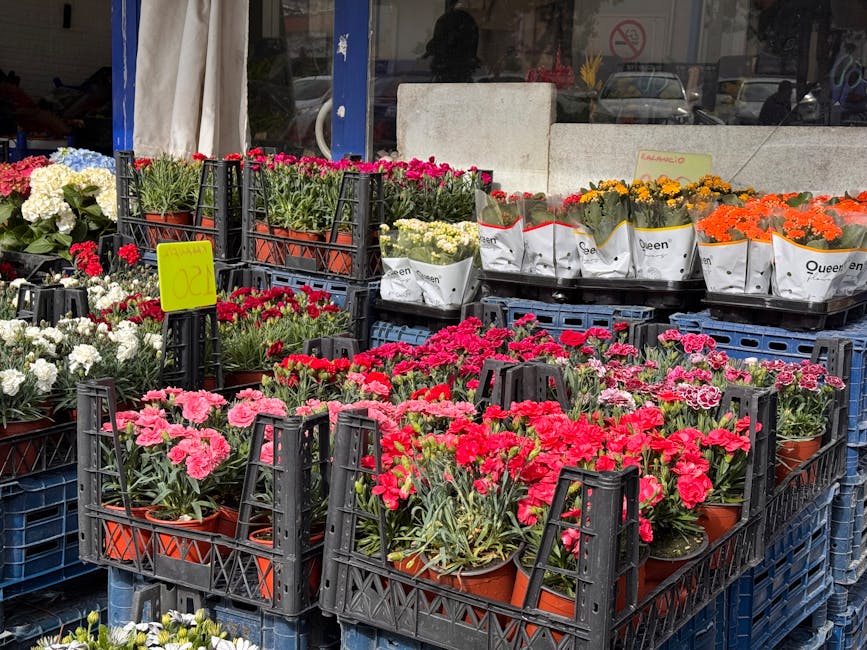
Let's face it: a pop-up florist can look simple from the outside. A table, some wrapped stems, a card reader, maybe a handwritten sign with prices. But once you start selling in a real place, the rules become real too. Licences and permits for Highbury pop up florists matter because they help you decide where you can trade, what you can display, how long you can stay, and who is responsible if something goes wrong.
Highbury has a mix of residential streets, local retail areas, transport routes, and event-friendly spaces. That mix is great for footfall, but it also means permissions can vary sharply from one location to the next. A pitch that works beautifully outside a private venue on Saturday may not be suitable on a public pavement the next day. No surprise there.
Permissions also protect your reputation. Customers notice when a florist looks organised. They notice the neat display, the tidy waste handling, the calm way you take payment, and the fact that you are set up properly. Those small signals build trust. And trust is half the battle when you are selling flowers in a busy neighbourhood.
There is another point people sometimes miss: permits are not only about avoiding fines or arguments. They can affect insurance, access to certain events, and whether an organiser will allow you back next time. If your stall is linked to a wedding pop-up, a seasonal market, or a community event, one missing approval can shut the whole thing down. That is a miserable morning, honestly, especially when the van is already parked and the roses are out in the cold.
Expert summary: The safest approach is to confirm the venue, landowner, or organiser permissions first, then check whether any local authority licensing, trading, or street activity rules apply. In practice, that order saves time and frustration.
How Licences and permits for Highbury pop up florists Works
The way licences and permits work is usually straightforward once you separate the different layers. Most pop-up florists need to think about three questions: where am I selling, how am I selling, and who controls the space?
1) Private land, market stall, or public pavement?
If you are trading on private land, the landowner or venue operator will often be your first gatekeeper. That might be a shop owner, cafe, event organiser, church, community hall, or festival manager. Their permission may be enough on its own for that location, although you should still check whether any wider licensing or insurance conditions apply.
If you are trading at a market, the market organiser may issue a pitch agreement or trader permit. They may also have rules about set-up times, stall dimensions, waste disposal, power access, and whether you can sell extras like vases, candles, or gift cards. For flower sellers, those details matter more than people expect. A stall that is too wide or too messy can be a real problem in a compact market row.
If you are using the public highway or pavement space, the process tends to be more formal. Local authority consent, highway permissions, or street trading approval may be required depending on the exact activity and location. This is where people get caught out, because "a nice busy spot" is not always a legal spot. Busy is not the same as permitted.
2) Temporary, recurring, or occasional trading?
Some permissions are for one-off events. Others are for repeat use. If you are doing a Valentine's weekend pop-up, the paperwork may look very different from a regular Saturday pitch through the summer. Recurring trading often brings more scrutiny, because councils and site operators want to know your setup will stay consistent and safe.
3) What else sits alongside the trading permission?
In real life, the paperwork stack can include public liability insurance, food hygiene considerations if you add refreshments, waste handling arrangements, and basic health and safety controls. For many florists, it also includes payment setup, refund terms, and a clear process for damaged flowers or late collection. If you are selling wedding flowers or event pieces, check whether your lead times and handover terms are written down somewhere sensible. A notebook is fine; a tidy order system is better.
When you are building the business side, your product range matters too. A pop-up florist selling flower delivery in Highbury N5 alongside in-person sales will often have a slightly different compliance picture from someone who only does walk-up bouquet sales. Same business, different moving parts.
Key Benefits and Practical Advantages
Sorting licences and permits properly is not just about staying on the right side of the rules. It gives you practical advantages that show up in day-to-day trading.
- Clear trading rights: You know exactly where you can set up and for how long.
- Fewer interruptions: Proper permissions reduce the risk of being asked to move or shut down mid-trade.
- Better organiser relationships: Event organisers and site managers prefer florists who look prepared.
- Stronger customer confidence: A well-run stall feels safer and more professional.
- Insurance alignment: Your cover is more likely to remain valid when your trading is properly authorised.
- Scalable setup: Once the first permissions are sorted, it becomes easier to replicate the model elsewhere.
There is a quieter benefit too: peace of mind. You can focus on stems, conditioning water, wrapping, pricing, and the little customer conversations that actually make the sale. A lot of floristry is theatre in miniature. Someone walks up for a quick bouquet and ends up asking for advice on colour, vase life, or what to choose for a dinner table. You want your head free for that, not stuck wondering whether you forgot to ask for the pitch approval.
For some pop-up florists, compliance also helps with product positioning. If you are offering curated collections, seasonal bunches, or special occasion flowers, a reliable setup makes it easier to promote them with confidence. That is one reason many businesses tie the local stall into their broader online shop, such as flower shops in Highbury N5 and specialist ranges like best sellers or florist choice.
Who This Is For and When It Makes Sense
This topic is for anyone trying to sell flowers in or around Highbury on a temporary, mobile, or short-term basis. That includes a few different business types.
- Independent florists testing a new sales location before committing to a full shop.
- Wedding florists who want a weekend pop-up to capture bookings and display sample designs.
- Market traders adding flowers to a wider seasonal or gift stall.
- Event florists selling bouquets at fairs, festivals, open days, or community events.
- Home-based florists branching out into face-to-face selling for the first time.
- Established shops using temporary stands for Mother's Day, Valentine's Day, Christmas, or local celebrations.
It also makes sense if you are not sure whether a full retail lease is the right next step. A pop-up can be a smart way to test footfall, understand customer preferences, and see which products move fastest. In our experience, the real data often arrives in small moments: the bunch that sells in ten minutes, the sign that people keep reading, the price point that gets fewer hesitations. That kind of learning is gold.
Sometimes a pop-up is the whole model. Sometimes it is a stepping stone. Either way, the licence and permit side should fit the plan, not fight it.
Step-by-Step Guidance
If you want to approach this sensibly, work through the process in order. It saves a lot of backtracking.
- Define the trading model. Decide whether you are doing a one-off event, a recurring market pitch, or a more regular pop-up location.
- Identify the exact site. The location matters more than the postcode label. A private courtyard, retail forecourt, and pavement edge can all sit under different rules.
- Ask who controls the space. Landowner, market operator, event organiser, or council team? Get the right person early.
- Check what permission is needed. This may be a pitch booking, trader licence, street trading consent, or event approval. Sometimes it is a combination.
- Confirm insurance expectations. Many organisers will want proof of public liability cover before you are allowed to trade.
- Review safety and display rules. Think about trip hazards, stable tables, weather protection, waste bins, and whether your arrangement blocks access.
- Set your operating terms. Keep prices, payment methods, refund approach, and collection times clear.
- Prepare documents in advance. ID, insurance, business details, risk assessment notes, and any product handling guidance should be ready to send.
- Test the setup. Rehearse the stall at home or in the workshop. If something feels awkward in your kitchen, it will feel worse on a windy Highbury corner.
- Renew and review. If the pop-up works, ask what is needed for the next date. Do not assume a one-day approval automatically rolls forward.
A good rule of thumb: do the boring admin before you buy the extra stock. It hurts less that way.
Expert Tips for Better Results
The best pop-up florists tend to treat permissions as part of the customer experience. That sounds a little dry, but it really is true. Good admin creates better trade conditions, and better trade conditions create better sales.
Keep your location file in one place
Make a simple folder, digital or paper, for each trading spot. Include the permission email, dates, insurance details, contact names, stall dimensions, and any notes about access or power. Next time you return, you will not be starting from scratch. Small thing, big payoff.
Write down what makes the site tricky
Maybe the pavement slopes. Maybe the wind funnels between buildings at about 3pm. Maybe the morning sun hits the flowers hard and you need a shade cover. Those observations matter. They help you choose where to place more delicate stems, which boxes to keep closed, and how much chilled stock to bring.
Build a tidy story for organisers
When you ask for permission, be clear about what you sell, how much space you need, and how you handle waste and breakage. A concise, well-written request tends to land better than a vague "can I set up here?" email. People like to know you have thought it through.
Think about the broader offer
If your pop-up is one part of a fuller flower business, make sure the messaging lines up. Customers may buy a bouquet at the stall, then later use your website for same-day flower delivery in Highbury N5 or sending flowers in Highbury N5. That consistency helps the business feel joined up.
Keep a calm backup plan
Weather, transport delays, and forgotten cable ties happen. A spare tablecloth, a second payment battery, and extra water buckets can save the day. Not glamorous, but neither is apologising to a customer while a vase slowly topples. Been there, done that, not keen on a repeat.
Common Mistakes to Avoid
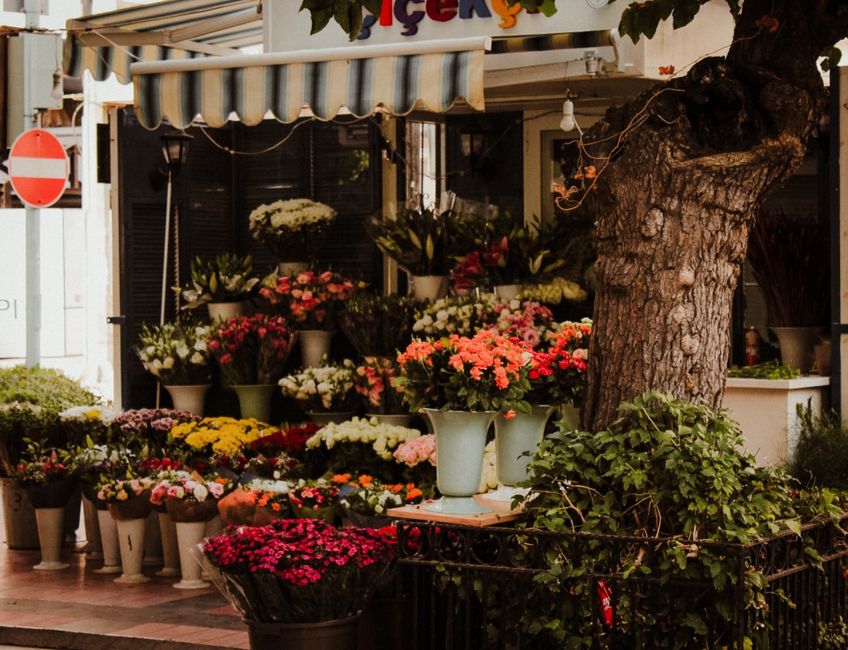
Most compliance problems for pop-up florists are not dramatic legal disasters. They are small oversights that snowball. Here are the ones worth avoiding.
- Assuming the site is fine because it looks busy. Popular spots still need permission.
- Not checking whether the approval is for one date or repeated trading. That distinction matters.
- Forgetting insurance requirements. Some organisers will not let you trade without evidence.
- Overlooking access rules. If your display blocks entrances, bins, or emergency access, you may be asked to move.
- Bringing too much stock. Flowers are perishable. Over-ordering creates waste and stress.
- Using vague prices or unclear product names. Customers buy faster when the offer is obvious.
- Ignoring weather exposure. Direct sun, wind, and cold all affect presentation and freshness.
- Not keeping a record of who approved the pitch. When a question comes up later, memories get fuzzy fast.
A smaller mistake, but one I see often: people think "temporary" means "casual". It does not. Temporary trading can still need proper structure. Sometimes more than you expect. Annoying, yes. But manageable.
Tools, Resources and Recommendations
You do not need fancy systems to run a compliant pop-up. What you do need is a few reliable basics.
Practical tools
- Digital notes app or spreadsheet: Keep dates, contact names, and permission status in one place.
- Folder for documents: Store insurance, ID, pitch approvals, and supplier contacts together.
- Measuring tape: Essential for stall size, table fit, and display planning.
- Portable card reader: Customers expect flexible payment, especially at a casual pop-up.
- Weather cover: Canopy, weights, or protective sleeves may be needed depending on the site.
- Waste bags and water containers: Simple, but they keep the space tidy and professional.
Useful business pages to keep handy
If your pop-up leads into regular online orders, it helps to know your operational pages are ready too. Customers often check delivery, returns, and payment details before they buy again. A clear delivery page, transparent payment information, and sensible returns and refund guidance can quietly improve confidence.
For product care, a useful reference point is a simple flower care guide. If someone buys a bouquet from your pop-up and gets it home on a warm afternoon, they will appreciate practical advice on water, trimming stems, and keeping flowers out of direct heat. Little things, really.
And if sustainability is part of your brand story, it should be grounded and believable. A page like sustainability can support that message without overpromising. Better to be specific than grand.
Law, Compliance, Standards, or Best Practice
This is the section where caution matters. Requirements for licences and permits can depend on the exact arrangement, the land ownership, and the local authority rules in force at the time. So while the principles below are sound, you should always verify the precise permissions for your site before trading.
In UK practice, a pop-up florist should usually think about the following areas:
- Trading permission: Who has authority over the site, and what written approval do you have?
- Street or highway controls: If you are on public pavement or near the road, more formal permission may be needed.
- Insurance: Public liability cover is often expected, and sometimes required, by organisers or venues.
- Health and safety: Your stall should be stable, accessible, and arranged to reduce trip and spill risks.
- Waste management: Flowers, wrapping, water, and packaging need a tidy disposal plan.
- Consumer clarity: Prices, substitutions, and availability should be presented honestly.
- Data handling: If you collect customer details for orders or marketing, handle them carefully and lawfully.
Best practice is to keep your documents up to date and to be specific about your setup. If you are selling seasonal arrangements or wedding pieces, it is worth having a written note about substitutions, because floral stock changes quickly. That is normal in floristry. A peony is not always going to be available just because the customer wants one, lovely though that would be.
For shops that also sell tribute work or event flowers, compliance should extend to careful order handling and respectful presentation. Product pages such as funeral flowers in Highbury N5 and wedding flowers in Highbury N5 show how different occasions may need different operational care, even when the business is the same.
Options, Methods, or Comparison Table
Choosing the right trading setup is often the key decision. Here is a simple comparison of common pop-up approaches for florists in Highbury.
| Trading method | Typical permission shape | Best for | Main watch-out |
|---|---|---|---|
| Private venue pop-up | Landowner or organiser approval, plus any site rules | Brand launches, weekend sales, community events | Not assuming venue approval covers everything |
| Market stall | Pitch booking or trader agreement, often with stall conditions | Regular footfall, seasonal bouquets, gift add-ons | Space limits and strict operating times |
| Public pavement or street-adjacent trading | Usually the most formal route, with local authority considerations | High visibility and impulse sales | Permissions can be more complex and site-specific |
| Event-based trading | Event organiser approval and event conditions | Festivals, fairs, seasonal events, weddings | Short lead times and changing site rules |
There is no single "best" method. It depends on your stock, your audience, and how much administration you are willing to take on. A small florist with a strong wedding calendar may prefer private venue events. A quick-selling bouquet trader may love a market pitch. Different rhythm, different headaches.
Case Study or Real-World Example
Picture a florist in Highbury who wants to test a Saturday pop-up near a busy local venue. The idea is simple: bring mixed seasonal bouquets, a few gift bunches, and some add-on cards. The first version of the plan was, frankly, a bit optimistic. The florist assumed that because the area was pedestrian-friendly, the stall would be fine as long as it stayed out of the way.
Before trading, they checked who controlled the space and found that the location sat under a venue agreement rather than free public access. That changed the process. The florist needed written permission, a smaller footprint, proof of insurance, and a clearer waste plan. They also had to be specific about trading hours so the stall would not interfere with the venue's morning setup.
On the day, the difference was obvious. The stall fit neatly, customers could move around it without squeezing, and the display looked calmer because it was not overcrowded. The florist also learned something useful: pastel mixed bunches sold faster than expected, while larger luxury bouquets did better later in the day. That insight shaped the next pop-up and the online range too. A small win, but a proper one.
If the same florist later wanted to expand into premium gifting, they could pair the pop-up with online lines such as cheap flowers in Highbury N5 for value shoppers and best flower delivery in Highbury N5 for higher-intent buyers. That way the stall becomes part of a wider sales funnel rather than a one-day experiment. Smart, really.
Practical Checklist
Use this before your first trading day. It keeps the last-minute chaos down.
- Confirm exactly who owns or controls the trading space
- Get written permission or the correct trading approval
- Check whether the permission is for one date or recurring use
- Ask if public liability insurance evidence is required
- Measure your pitch space and table dimensions
- Plan stock volume so waste stays manageable
- Prepare price labels and clear product descriptions
- Set up a payment method that works quickly on site
- Pack water, waste bags, weights, and weather protection
- Review access, safety, and customer flow around the stall
- Keep contact details and permission documents handy
- Prepare a simple substitution policy for flower availability
- Check how the stall fits with your wider delivery or order system
- Make sure your signage is readable from a short distance
- Leave room for customers to browse without crowding
One-line truth: if the stall feels rushed in setup, it will probably feel rushed in sales too.
Conclusion
Licences and permits for Highbury pop up florists are not just a box-ticking exercise. They are the foundation that lets your flower business trade safely, confidently, and with fewer nasty surprises. Once you know who controls the space, what type of permission is needed, and how your stall will operate, the whole thing gets much easier.
The best pop-up florists treat compliance as part of the craft. They know their site, they keep good records, and they make it easy for organisers and customers to say yes. That is the real advantage. Not flashy, just solid. And solid businesses tend to last.
If you are still shaping your next step, keep your planning practical, your paperwork tidy, and your customer experience warm. That combination goes a long way in a place like Highbury, where small details really do make a difference.
Get a free quote today and see how much you can save.
Frequently Asked Questions
Do I need a licence to run a pop-up florist in Highbury?
Often yes, but the exact permission depends on where you trade. Private land, markets, events, and public pavement spaces can each have different rules. The first step is always to confirm who controls the site and what written approval they require.
What permits do Highbury pop-up florists usually need?
Common needs include site permission, market or event trader approval, and in some cases local authority consent for public trading. You may also be asked for insurance, safety details, and stall dimensions. It is very location-specific.
Can I just set up outside a busy shop and sell flowers?
Not unless the landowner or relevant authority has clearly allowed it. Busy footfall does not equal permission. In practice, this is one of the most common mistakes people make when starting out.
Do I need public liability insurance for a pop-up flower stall?
Many organisers and venues expect it, and some will require proof before you trade. Even when it is not formally required, it is usually sensible because it helps protect the business if a customer injury or property issue arises.
How long does it take to get permissions sorted?
It can be quick for a one-off private event, or slower if the site needs formal approval. The timing depends on the organiser, the location, and whether extra checks are needed. Always leave more time than you think you need. Always.
Are market stalls easier than street trading?
Usually, yes. Market stalls often come with clearer pitch rules and a defined setup process. Street or pavement trading can be more complex because the space is more closely controlled. The upside of the market is the structure; the downside is the limited flexibility.
What if I only trade once or twice a year?
You may still need permission for each event or site. Occasional trading does not automatically remove the need for approval. One-off setups can still fall under organiser or council rules, especially if you are on a public-facing site.
Do I need anything special if I sell wedding flowers from a pop-up?
Wedding flowers themselves do not usually change the licence type, but they do raise the stakes around timing, presentation, and order accuracy. If you display sample bouquets or sell bookings, make sure your terms, lead times, and handover process are clear.
Can I combine pop-up sales with online flower delivery?
Yes, and many florists do. It can work well because the pop-up creates visibility while delivery supports repeat orders. Just make sure your delivery promises, stock levels, and customer communication are consistent across both channels.
What documents should I bring to a pop-up trading day?
Bring your permission confirmation, insurance details, business contact information, and any site notes you have been given. It is also useful to carry a simple checklist for setup, plus payment equipment and product care notes for customers.
What happens if I trade without the right permit?
You could be asked to leave, lose access to the site, or face further issues with organisers or local enforcement. The exact outcome depends on the location and circumstances, but it is rarely worth the risk. Better to sort it first than try to explain it later.
How do I make my pop-up look professional if the setup is temporary?
Keep the display tidy, use clear pricing, and make the stall easy to understand at a glance. Good flowers help, of course, but neat structure and calm presentation do a lot of heavy lifting. A temporary stall can still feel polished.
Should I ask for written permission even if the organiser says yes verbally?
Yes, absolutely. A short email or message is enough in many cases, and it protects both sides if questions come up later. Verbal yeses are easy to forget. Written confirmation is much safer.
What is the best next step if I am starting from scratch?
Choose your likely site first, then ask what permission is required for that exact location. Once that is clear, build the rest of the setup around it. That order keeps the planning grounded and stops you wasting energy on the wrong kind of paperwork.